An ocean disturbance moving north along Mexico's Pacific coast could raise Newport Beach sea levels 6 to 12 inches starting in early October.
The coastally trapped Kelvin wave was near Puerto Vallarta on Monday, Sept. 14, and is expected to reach the Los Angeles area in roughly three weeks, Dillon Amaya, an assistant professor of marine, earth and atmospheric sciences at North Carolina State University, told Patch. Once the wave arrives, elevated sea levels could persist for three to six months, pushing the effects well into winter.
That timeline concerns scientists because California's highest king tides hit from November through January. The Los Angeles Times reported in August that peak tides are expected on Thanksgiving Day, Christmas Eve and Jan. 22, 2027. Newport Beach is one of several low-lying communities a California Coastal Commission engineer flagged for extreme flooding potential.
"When the water level is extra high, a foot or more higher than we expect it to be, then it can really wreak havoc," Jonathan Warrick, a research geologist with the U.S. Geological Survey, told the Los Angeles Times on Sept. 14.
A Kelvin wave is invisible. It is a large-scale disturbance that raises the baseline height of the ocean within roughly 12 to 19 miles of shore. Normal surf and storm surges ride on top of that higher platform. Amaya said every four inches of sea-level rise can roughly double the flooding risk for low-lying coastal areas.
NOAA's Climate Prediction Center said there is a 98% chance El Niño will be "very strong" for the three-month period ending in December, according to the Los Angeles Times. University of California climate scientist Daniel Swain warned Sept. 9 that additional Kelvin waves could follow and stack before the first one fades, making November through January especially dangerous.
Mark Merrifield, director of Scripps Institution of Oceanography's Center for Climate Change Impacts and Adaptation, said in mid-August that scientists expect this El Niño to produce the highest sea levels ever recorded on the California coast, according to Patch.
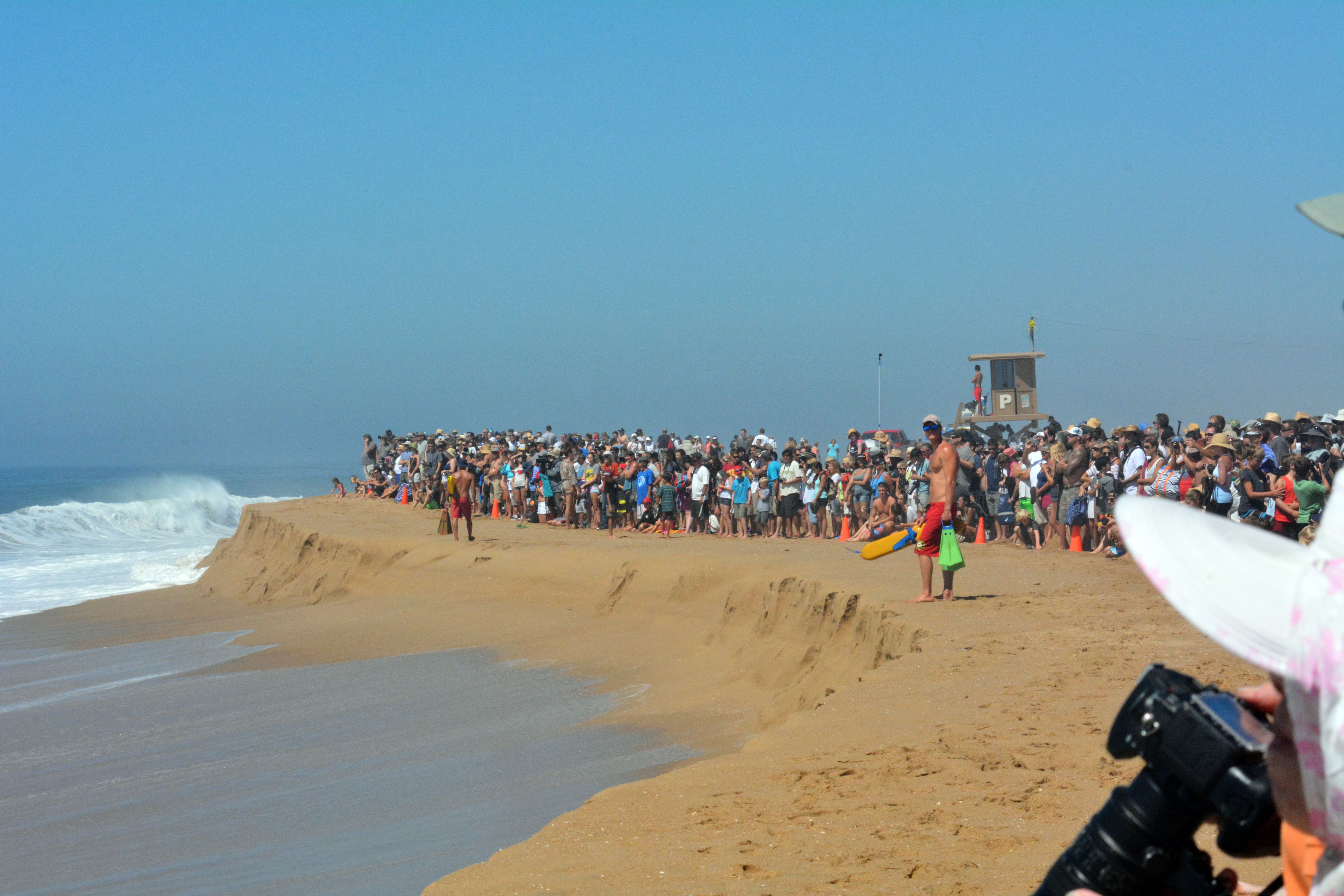
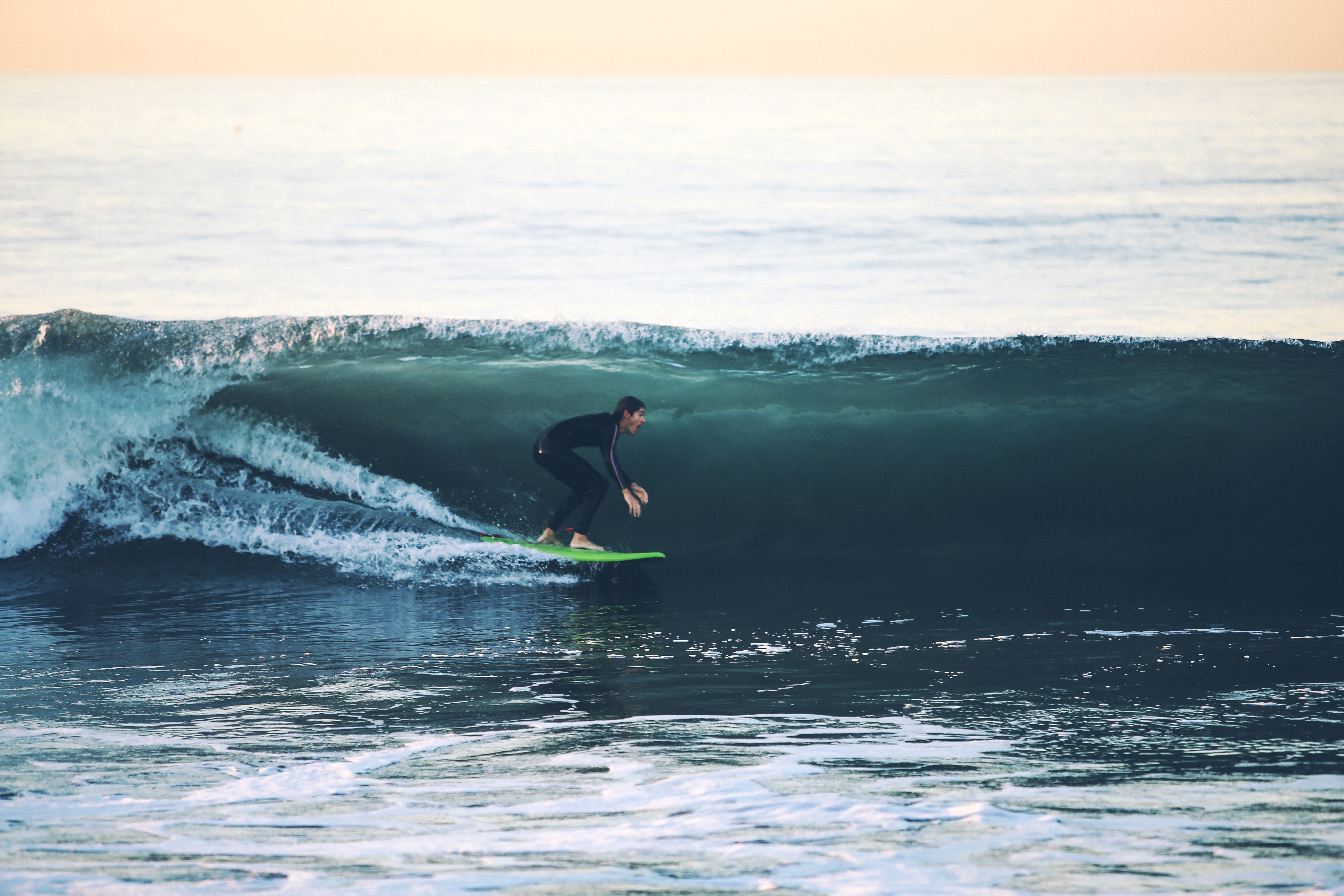
Newport Beach is already dealing with significant erosion from Hurricane Marie's surf. Marine Safety Chief Brian O'Rourke said lifeguards recorded 213 rescues over the Labor Day weekend, pushing the 2026 total past 5,000. An average year sees about 3,000, the Orange County Register reported. O'Rourke said the erosion is worse than anything he has seen in nearly 40 years as a lifeguard.
The city built berms on both sides of Balboa Pier in four days, using roughly 200,000 cubic yards of sand, according to Patch. At the Wedge, lifeguards used a chainsaw to cut down sharp wooden planks exposed by the erosion, remnants of the jetty built in the 1920s, according to the Orange County Register.
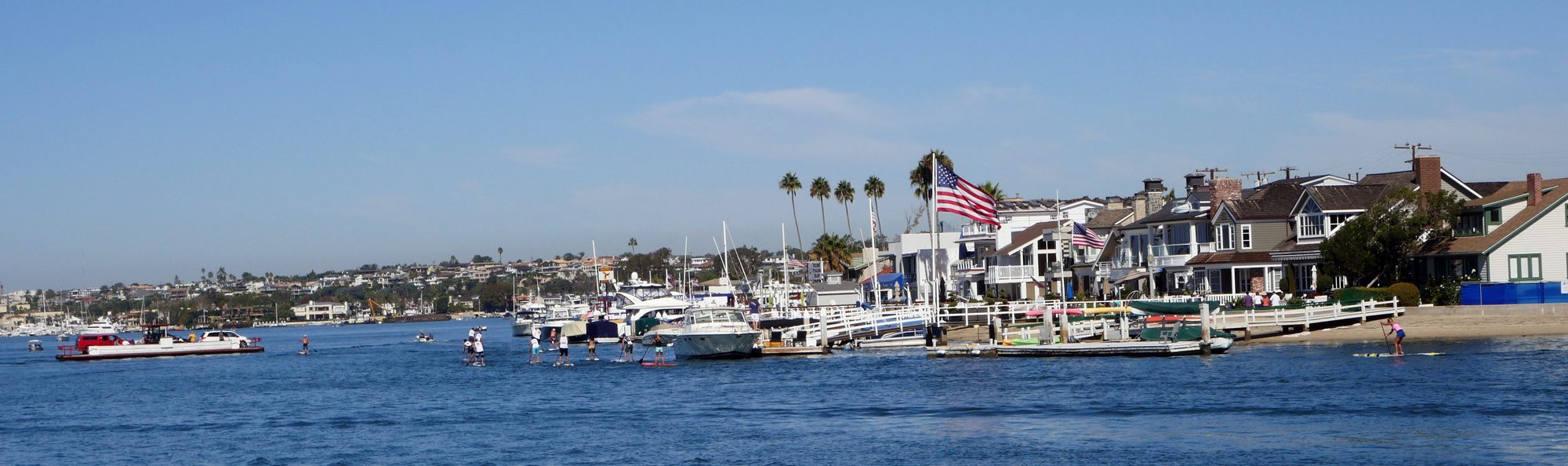
The Newport Harbor Foundation identified Newport Island, Balboa Island, Finley Tract, Lido Village, Balboa Village, the Peninsula, and the Marcus, River and Lake Avenue area as neighborhoods susceptible to flooding during high tides in a July alert.
No Newport Beach city statement specifically addressing the Kelvin wave threat has been made public. Rep. Dave Min said on X on Sept. 12 that he was exploring what Congress could do to address coastal erosion from Hurricane Marie along the Orange County coastline.
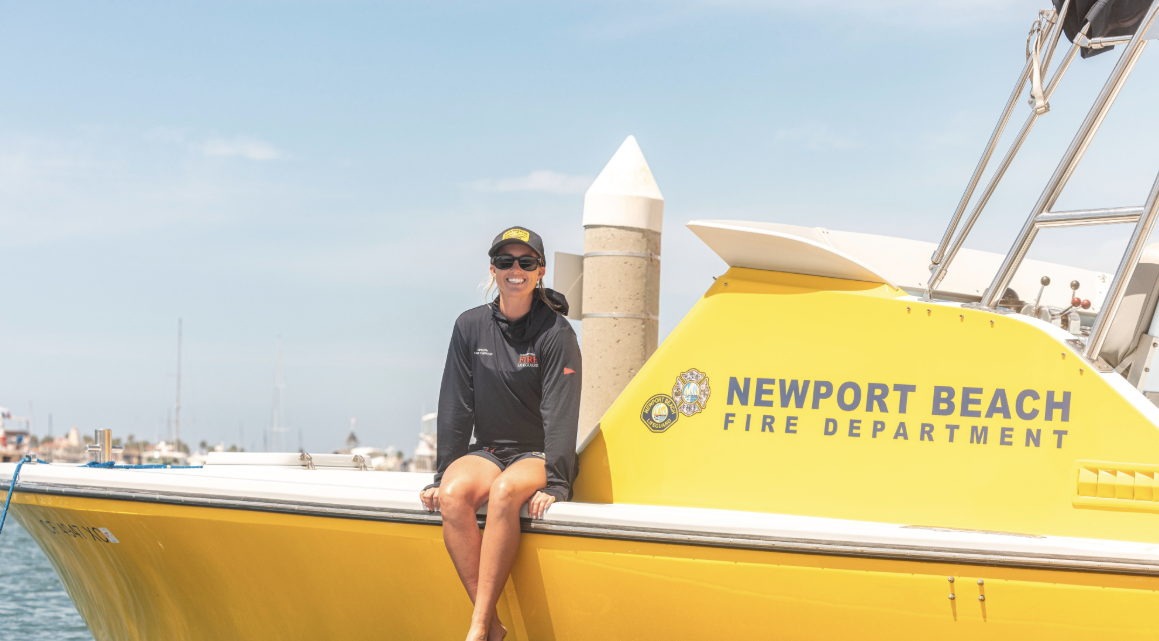
Residents in flood-prone harbor neighborhoods can sign up for emergency alerts through the city's Nixle notification system or call Newport Beach Fire Department's non-emergency line at 949-644-3104 for preparedness information.