Newport Beach's county supervisor is calling for urgent sand restoration after Labor Day storms shut down the coastal rail line and damaged homes.
Orange County Vice Chair Katrina Foley, whose District 5 includes Newport Beach, said in a formal statement Tuesday, Sept. 8 that a wide, sandy beach offers the best protection for the rail corridor and coastal properties. She described the rail service suspension as a threat to the local economy, national security and residents' way of life.
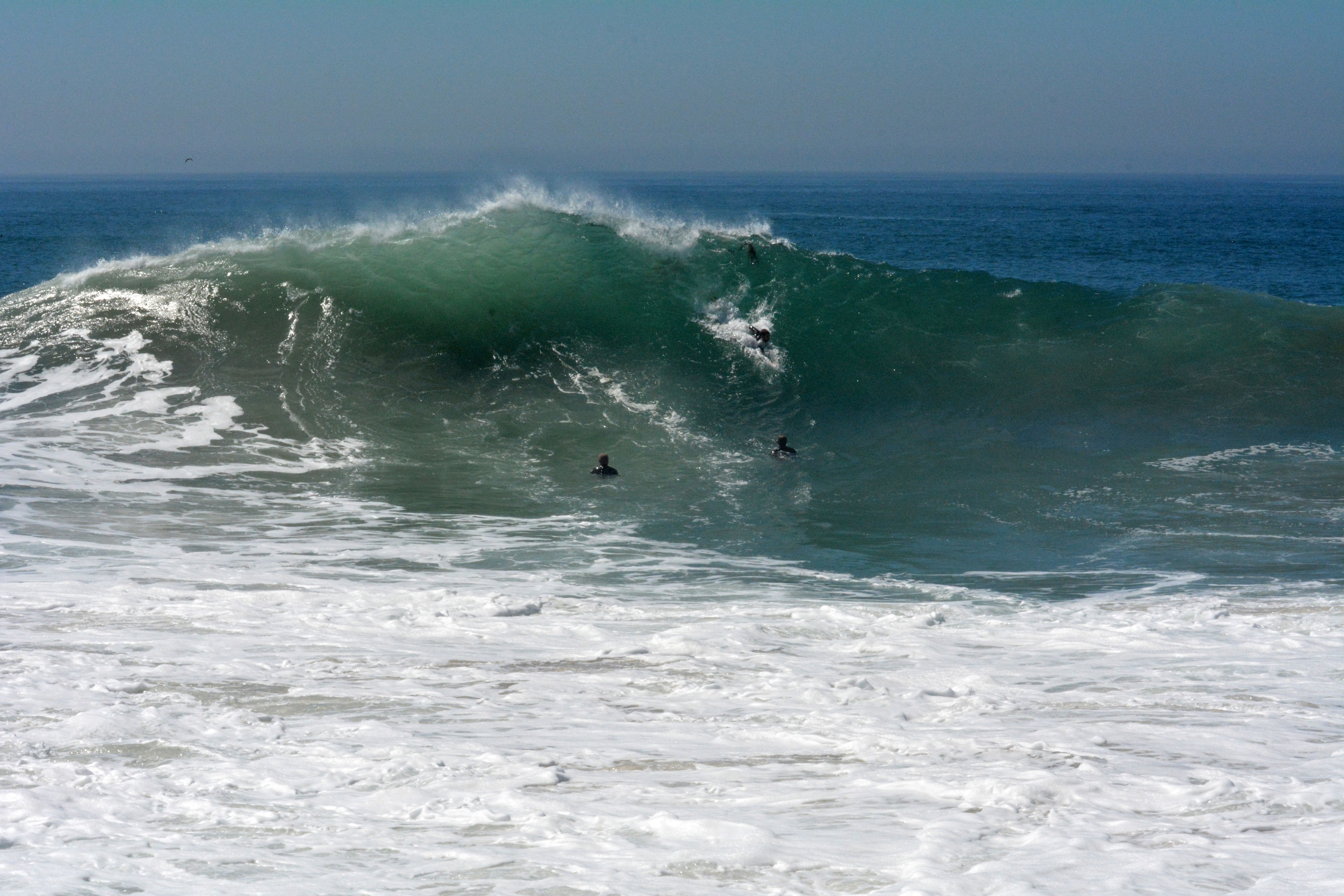
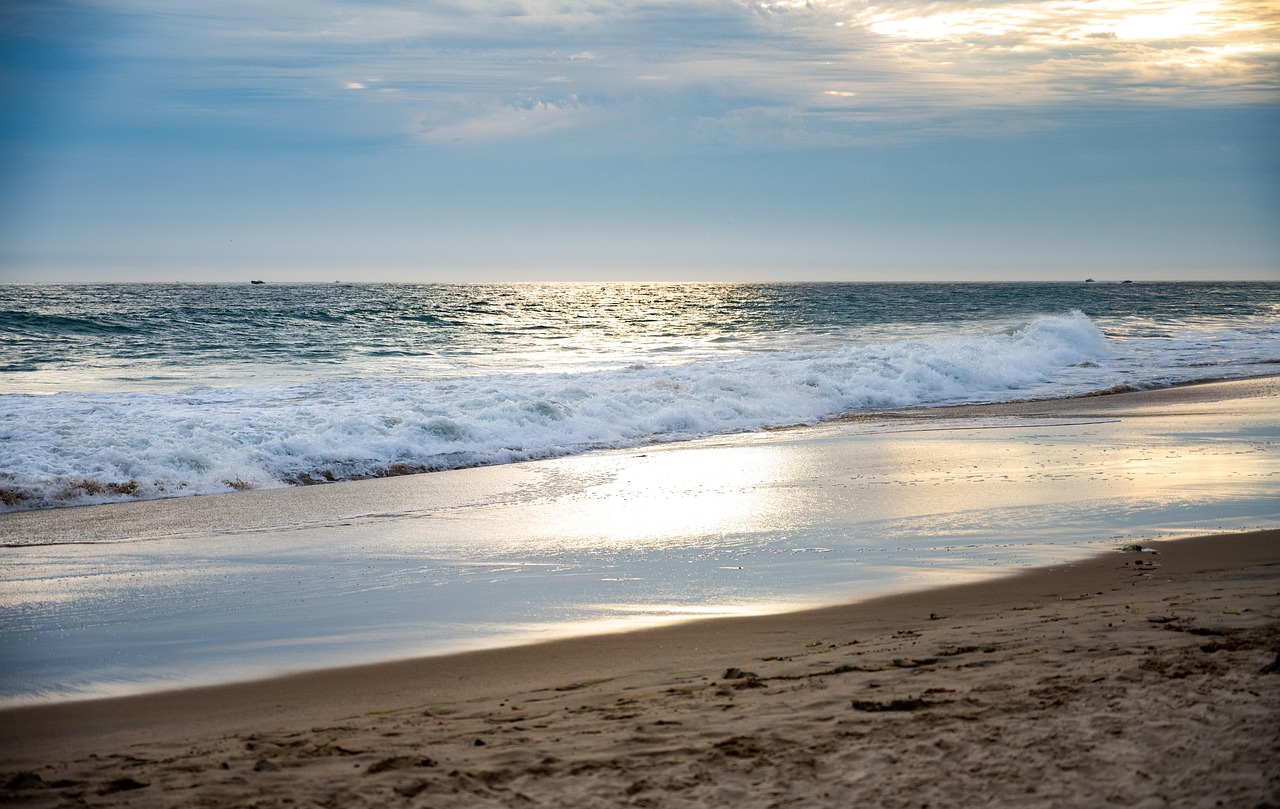
The rail closure began Sunday, Sept. 6, after high surf from the outskirts of Hurricane Marie battered the San Clemente coast. On Monday night, waves overtopped the tracks, washing away previously placed riprap and causing further deterioration along the adjacent slope. As of Tuesday, Metrolink, Amtrak and freight service remained suspended with no reopening date set. The tracks were expected to stay closed at least through Sunday, Sept. 13, due to pre-scheduled maintenance.
Metrolink was running only as far south as the Laguna Niguel/Mission Viejo station. Amtrak's Pacific Surfliner stopped at San Juan Capistrano, with a bus bridge running between Irvine and Oceanside.
More than a dozen homes in Capistrano Beach sustained extensive damage from extreme waves over the weekend, according to Foley's office. Several received red-tags from the City of Dana Point. Dana Point expedited demolition of one home, in coordination with the California Coastal Commission, to clear beach access for boulder placement reinforcing the seawall.
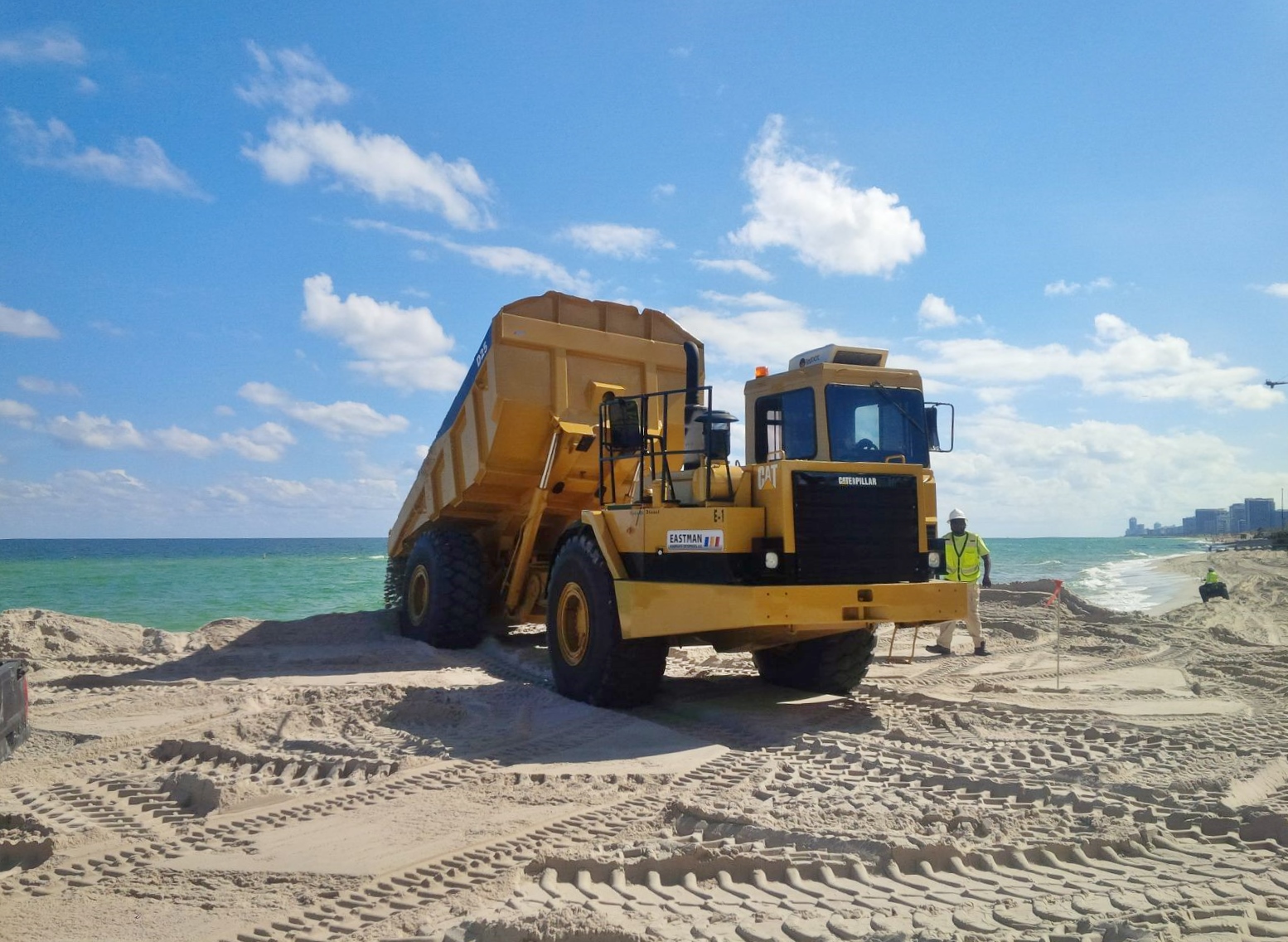
Foley's statement echoed arguments she made days earlier. She said permitting delays meant sand placement was still two years away. "We need to be depositing sand now," she said at a meeting in early September, as Voice of OC reported Sept. 3.
The rail line runs as close as 200 feet from the water in parts of San Clemente. The Orange County Transportation Authority's (OCTA) near-term fix has been adding large rocks to stabilize the tracks, but Voice of OC reported that riprap accelerates sand erosion, compounding the problem.
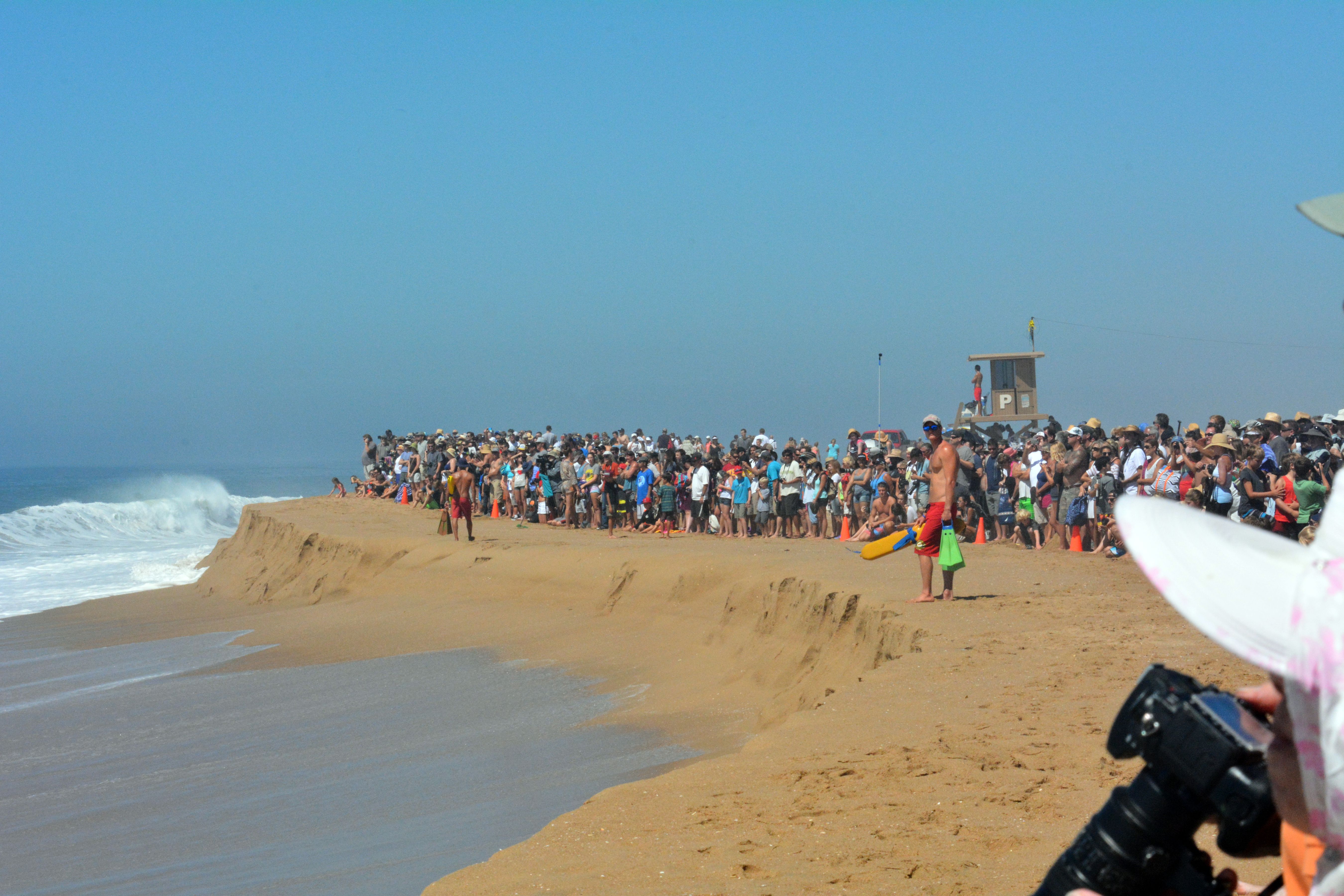
The storm damage underscores a pattern Newport Beach residents know well. Erosion at the Wedge has exposed pipes, concrete and barbed wire in the sand. Council member Erik Weigand told KTLA in August that the city has identified sand to move to the area, but "getting it there is the real tricky part." Public Works Director Dave Webb said in June that no nourishment project is planned for the Wedge because new permitting, funding and regulatory approvals would be required.
OCTA Chair Jamey Federico, also a Dana Point council member, acknowledged the gap in the same Voice of OC report. He named Newport Beach and Huntington Beach as cities left to solve coastal resiliency on their own.
In May, Foley said the county had delivered more than 360,000 cubic yards of sand to south Orange County beaches, with more than 540,000 cubic yards in the works, at a cost of $440,000 for one Capistrano Beach project alone.
San Clemente residents have gathered 7,000 signatures to place a 1% sales tax on the November ballot that could raise $15 million for sand replacement and wildfire prevention. Severe high tides were expected to continue through Friday, Sept. 11. Foley's office did not announce a timeline for a regional sand nourishment plan.