Seven miles of rail corridor along the South Orange County coast could get a new shield against erosion and sea-level rise, and the Orange County Transportation Authority wants public input before finalizing the plan.
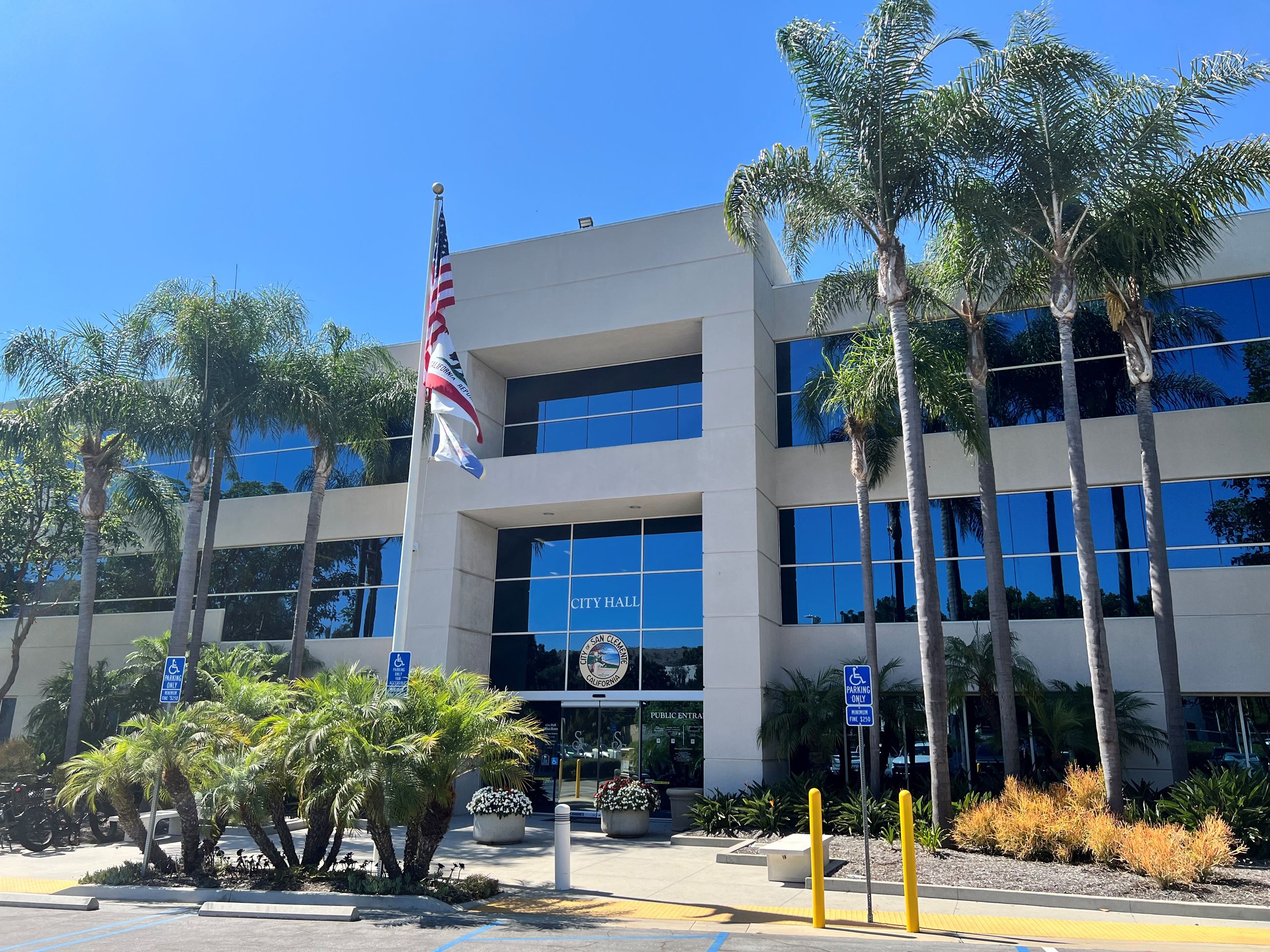
OCTA is hosting two meetings on its Coastal Rail Resiliency Study: an in-person session Monday, Aug. 10, from 5 to 6 p.m. at San Clemente City Hall, 910 Calle Negocio, and a virtual meeting Tuesday, Aug. 11, at the same time. Newport Beach residents who don't want to drive to San Clemente can register for the webinar at https://bit.ly/CRRS-Aug11 or call in at (669) 900-6833 (Webinar ID: 858 8924 9103).
The study examines strategies to protect the LOSSAN rail corridor, which carries Metrolink, Amtrak's Pacific Surfliner and freight trains through Dana Point and San Clemente to the San Diego County line. Repeated coastal erosion, bluff movement, storms and high tides have forced emergency stabilization work and service disruptions along the stretch.
OC Supervisor Katrina Foley, who represents Newport Beach's District 5 and sits on the OCTA board, said in an Aug. 6 press release that she continues "advocating for nature-based solutions and sand nourishment" as the study evaluates long-term options.
Foley has pushed sand replenishment across south Orange County. At a Capistrano Beach sand placement event in May, she reported that more than 360,000 cubic yards of sand had been delivered to south county beaches since she took office, with another 540,000 cubic yards planned.
What the study proposes
The draft feasibility study does not recommend a single fix. It presents a "toolbox" of 23 concepts, including rail-foundation improvements, bluff-stabilization measures and beachside protection approaches. Every beachside option carried forward includes sand placement, with some locations also calling for repaired riprap, engineered revetments or seawalls.
In June, the OCTA board approved roughly $300 million in state transportation funding for protective infrastructure and sand nourishment along the LOSSAN corridor in San Clemente, according to Foley's office. That money is separate from the study itself.
Local connection
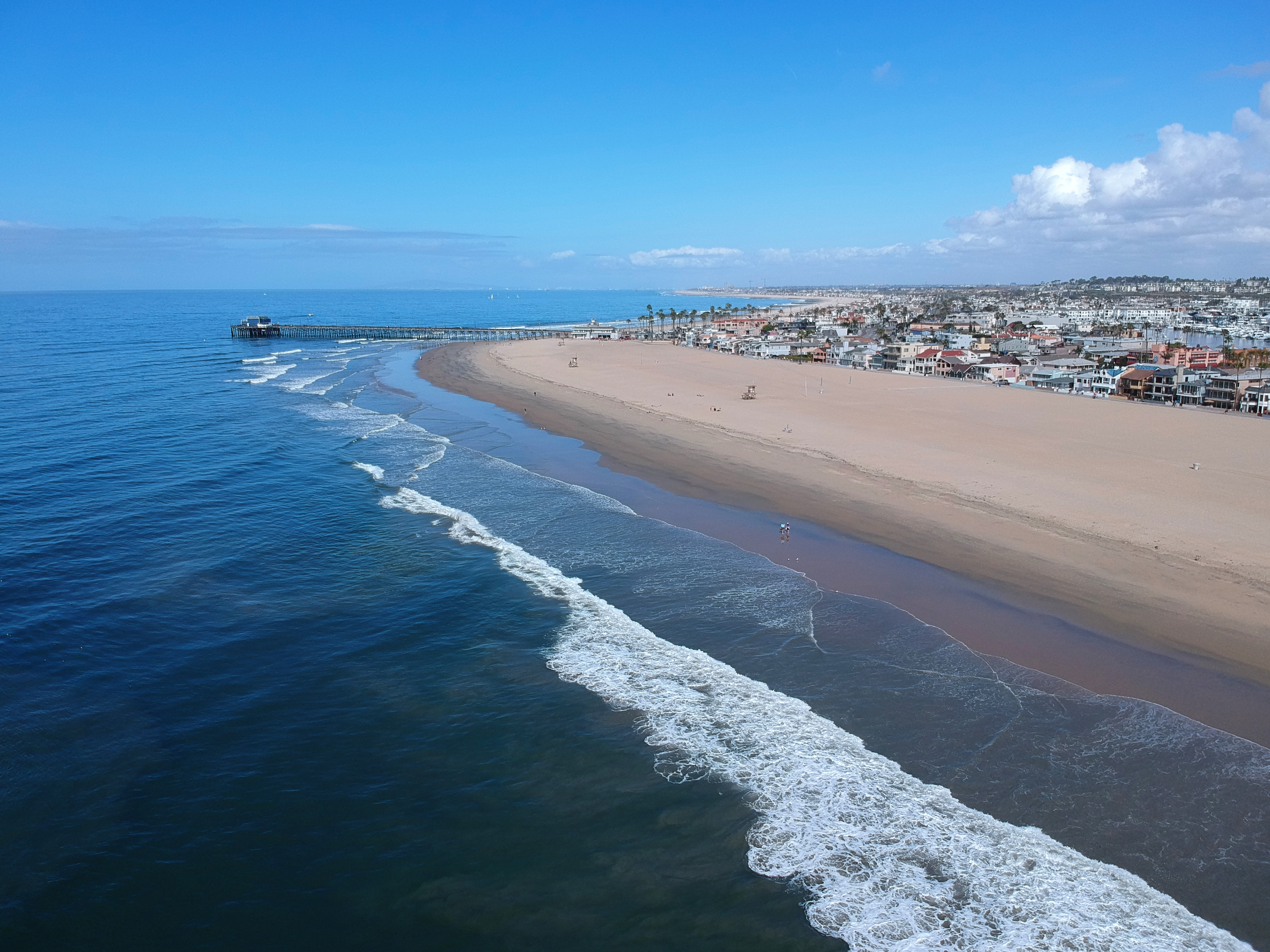
Newport Beach felt coastal erosion's force in June. A massive swell brought 25-foot-plus waves to the Wedge, and a lifeguard tower at Crystal Cove State Beach nearly toppled as sand crumbled beneath it, the OC Register reported. Newport Beach Public Works Director Dave Webb told the Register in June that sand at the Wedge tends to migrate north and return with winter swells, and that no nourishment project is planned there specifically.
The LOSSAN corridor sits south of Newport Beach, but the rail line serves local commuters and the study's sand-nourishment approach could influence broader coastal policy in the region.
Spanish interpretation will be available at both meetings. Additional accommodations can be requested by emailing [email protected] at least 72 hours in advance. The full draft study is posted at www.octa.net/CRRS.
What's ahead
After public comment closes, OCTA plans to present the final study to its board of directors in fall 2026.
Upcoming community dates:
- Monday, Aug. 10, 5-6 p.m.: Coastal Rail Resiliency Study in-person meeting, San Clemente City Hall, 910 Calle Negocio
- Tuesday, Aug. 11, 5-6 p.m.: Coastal Rail Resiliency Study virtual meeting (register at https://bit.ly/CRRS-Aug11)